
Home ICU: guides for patients and families.
Browse Diagnex Home ICU articles on suitability, setup, equipment, safety, post-ICU recovery and advanced care planning at home.
Find answers to common care questions.
50 articles · Page 2 of 5
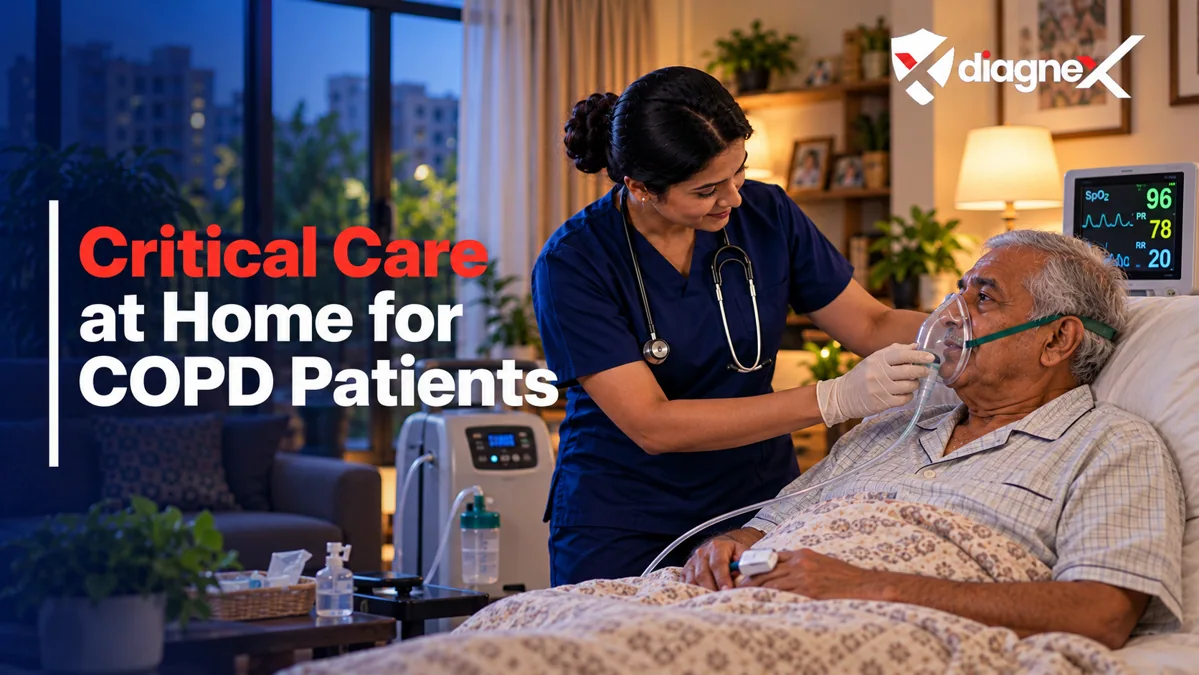
Critical Care at Home for COPD Patients
Critical care at home for a person with chronic obstructive pulmonary disease can be appropriate only in selected situations. The patient should be sufficiently stable for care outside hospital, and the respiratory plan should be defined by the treating pulmonologist or hospital team.

Home ICU After Sepsis: Recovery Needs at Home
Home ICU after sepsis may be considered for selected patients who are stable enough to leave hospital but still need more medical, nursing or rehabilitation support than routine home recovery.

Home ICU After Severe Pneumonia: What Families Should Discuss
Home ICU after severe pneumonia may be considered for selected patients who are stable enough to leave hospital but still need more respiratory and nursing support than ordinary home recovery.

Home ICU After Major Surgery: A Step-Down Care Guide
Home ICU after major surgery can be considered for selected patients who are stable enough to leave hospital but still need more clinical support than ordinary home recovery.
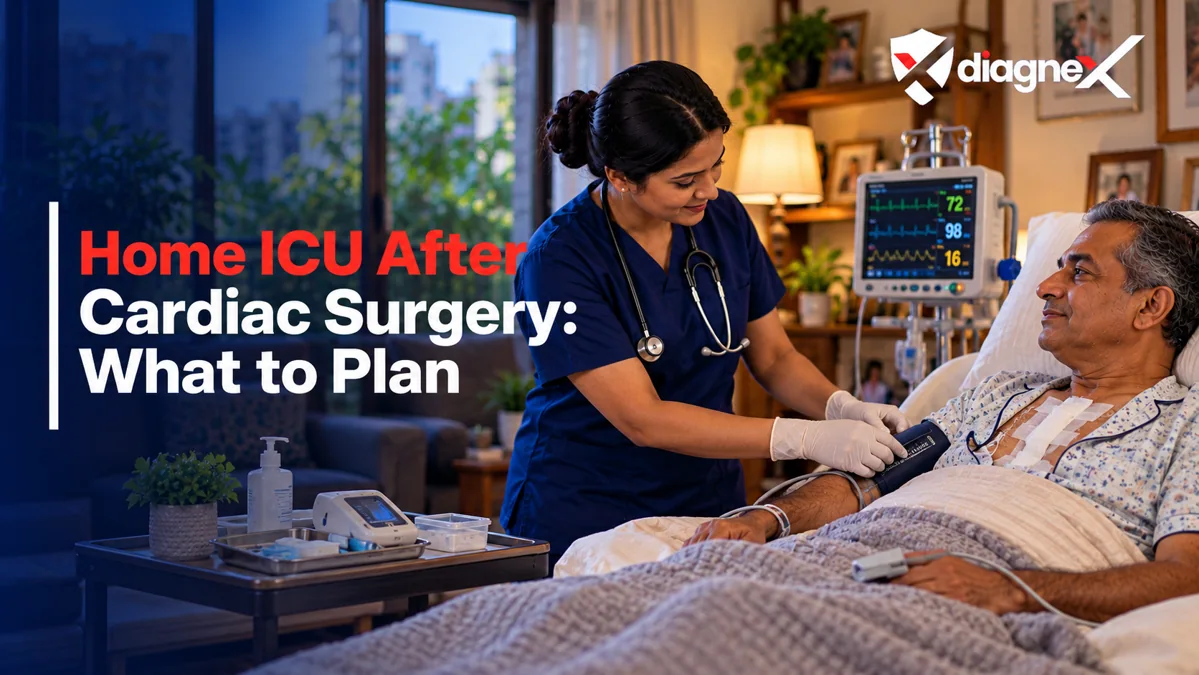
Home ICU After Cardiac Surgery: What to Plan
Home ICU after cardiac surgery may be considered for selected patients who are stable enough to leave hospital but still need substantial nursing, monitoring, oxygen, wound care, medication support or rehabilitation at home.
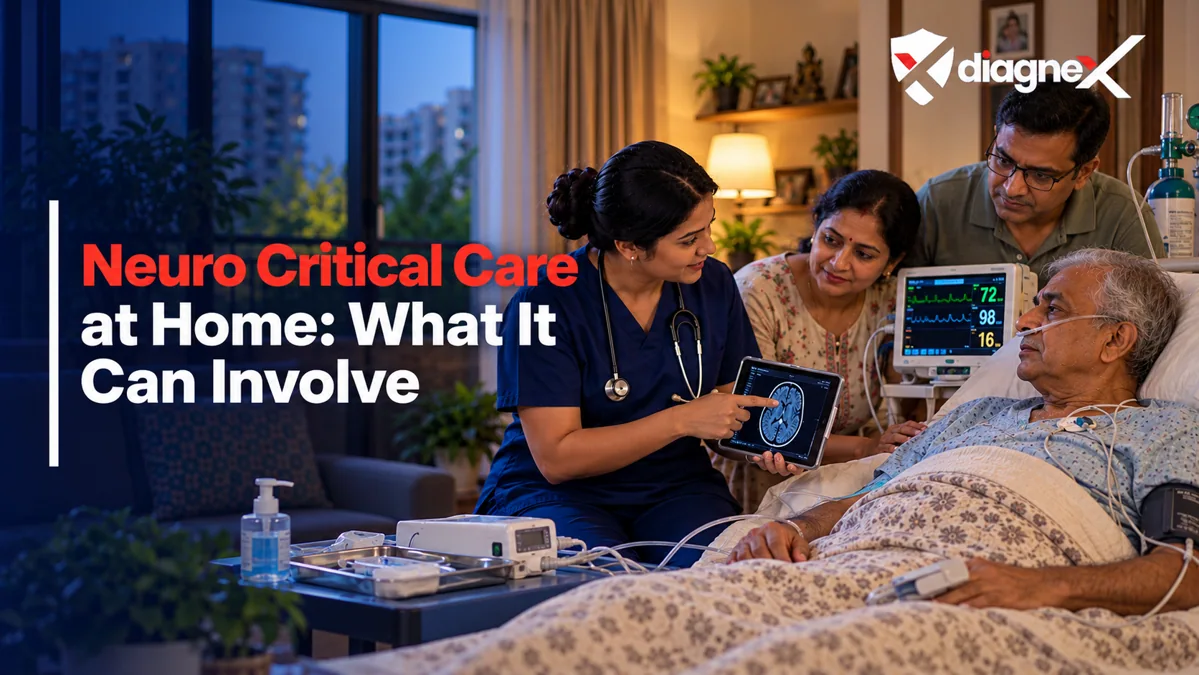
Neuro Critical Care at Home: What It Can Involve
Neuro critical care at home describes a high-dependency home-care arrangement for selected patients recovering from serious neurological illness or injury who are stable enough to leave hospital but still need substantial nursing, monitoring, respiratory support, medical devices or rehabilitation.

Home ICU After Brain Injury: What Families Need to Plan
A home ICU after brain injury is not appropriate for a patient who is still neurologically unstable or needs emergency imaging, neurosurgery, intracranial-pressure management or rapid changes in treatment. New loss of consciousness, worsening responsiveness, repeated vomiting, new weakness, unequal
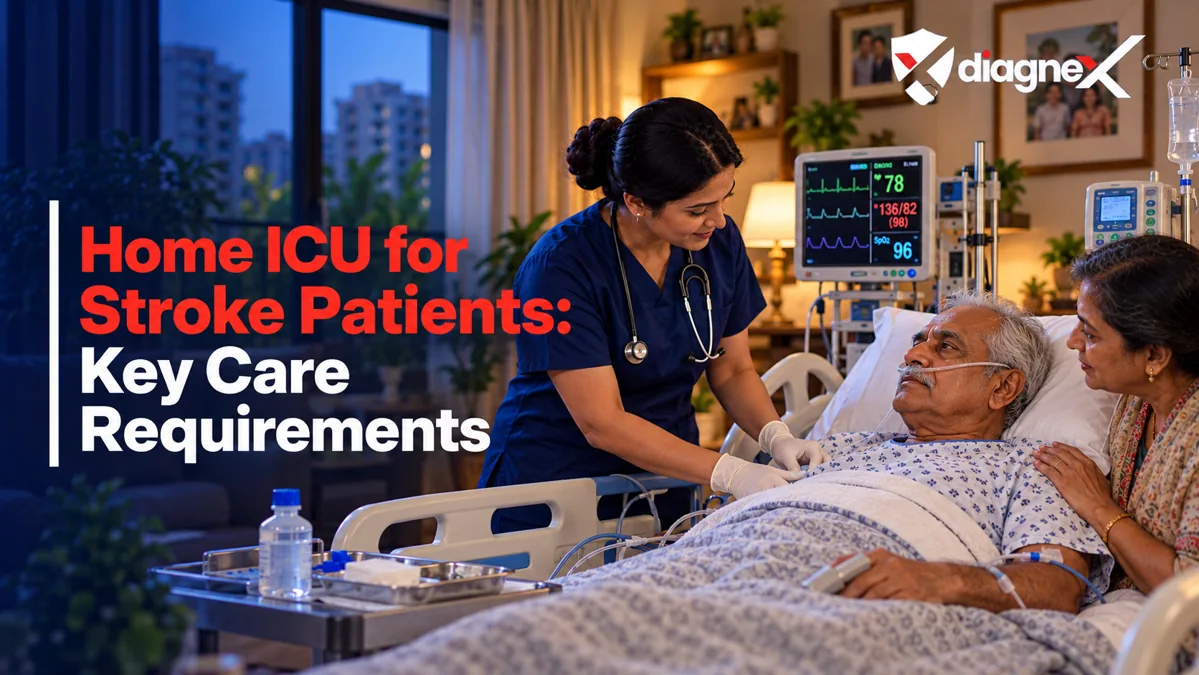
Home ICU for Stroke Patients: Key Care Requirements
A home ICU for a stroke patient is not the right setting for an acute stroke or a person whose neurological condition is still unstable. New facial weakness, arm or leg weakness, speech difficulty, severe new headache, loss of consciousness, seizures, worsening breathing or a sudden change in respon

Home ICU for Bedridden Patients: What the Care Plan May Include
A bedridden patient may need much more than a medical bed at home. Limited mobility can affect skin health, breathing, nutrition, hygiene, circulation, toileting, comfort and the person's ability to respond if something…

Home ICU for Elderly Patients: Questions Families Should Ask
When an older adult remains medically dependent after an ICU stay or serious illness, families may be asked to consider whether advanced care can continue at home. A home ICU for elderly patients may be appropriate for…
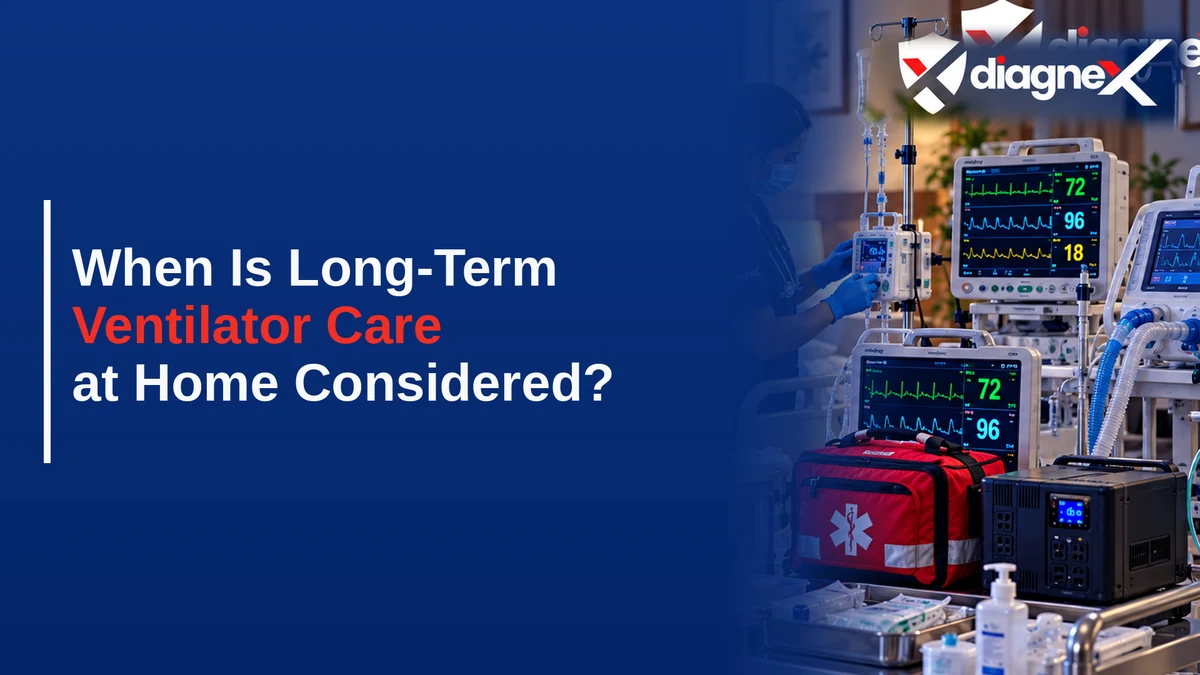
When Is Long-Term Ventilator Care at Home Considered?
Long-term ventilator care at home may be considered for selected patients who continue to need mechanical or other prescribed ventilatory support after the acute hospital phase has passed.

What Is Long-Term Critical Care at Home?
Long-term critical care at home generally describes ongoing, higher-dependency care for a patient who remains medically complex after the acute hospital phase.
