
Home ICU: guides for patients and families.
Browse Diagnex Home ICU articles on suitability, setup, equipment, safety, post-ICU recovery and advanced care planning at home.
Find answers to common care questions.
50 articles · Page 3 of 5
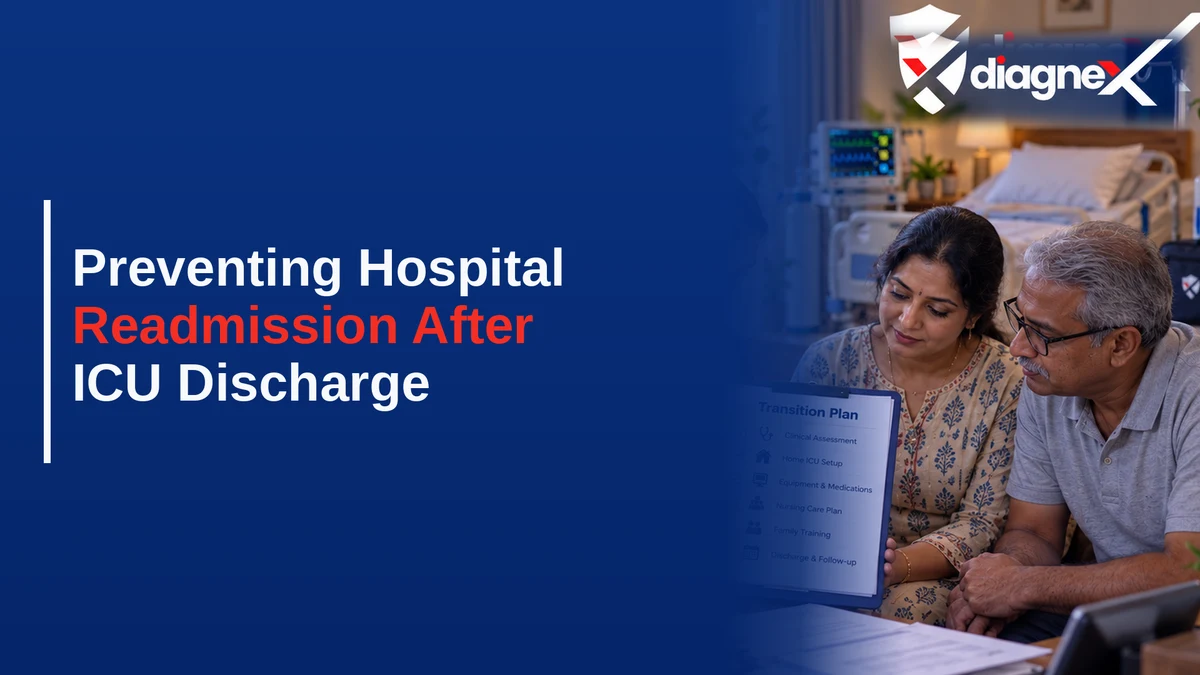
Preventing Hospital Readmission After ICU Discharge
Returning home after an ICU stay is an important milestone, but the early recovery period can still involve significant clinical risk. Medication changes, infection, weakness, poor intake, breathing problems, equipment…
Delirium After ICU: Supporting Recovery at Home
Some patients return home after an ICU stay with lingering confusion, poor attention, altered sleep, memory difficulties or changes in behaviour. Families may hear the term delirium used during the hospital stay and…
ICU-Acquired Weakness: Recovery and Rehabilitation at Home
Many patients leave the ICU weaker than they were before becoming critically ill. They may struggle to sit up, stand, walk, climb stairs, use their arms normally or complete basic daily activities without help.
Post-Intensive Care Syndrome: What Families Should Know
Leaving the ICU does not always mean that the effects of critical illness are over. Some patients continue to experience physical weakness, problems with memory or concentration, anxiety, low mood, sleep disturbance or…
Post-ICU Recovery at Home: A Practical Guide
Recovery after an ICU stay can continue for weeks or longer after the patient returns home. Even when the acute illness has improved, many people remain weak, easily fatigued, less mobile, dependent on family or nursing…
Post-ICU Care at Home: What Families Should Expect
Leaving the ICU is an important step, but it does not always mean that recovery is complete. Many patients return home with weakness, reduced mobility, changes in appetite or sleep, ongoing medicines, oxygen needs…
What Is High-Dependency Care at Home?
In practical terms, high-dependency care at home refers to a structured level of support for a patient who remains medically dependent and requires closer observation or more skilled care than a person receiving routine…
What Is Step-Down Care at Home?
In simple terms, step-down care is the stage between intensive hospital care and lower-intensity recovery or routine home support.
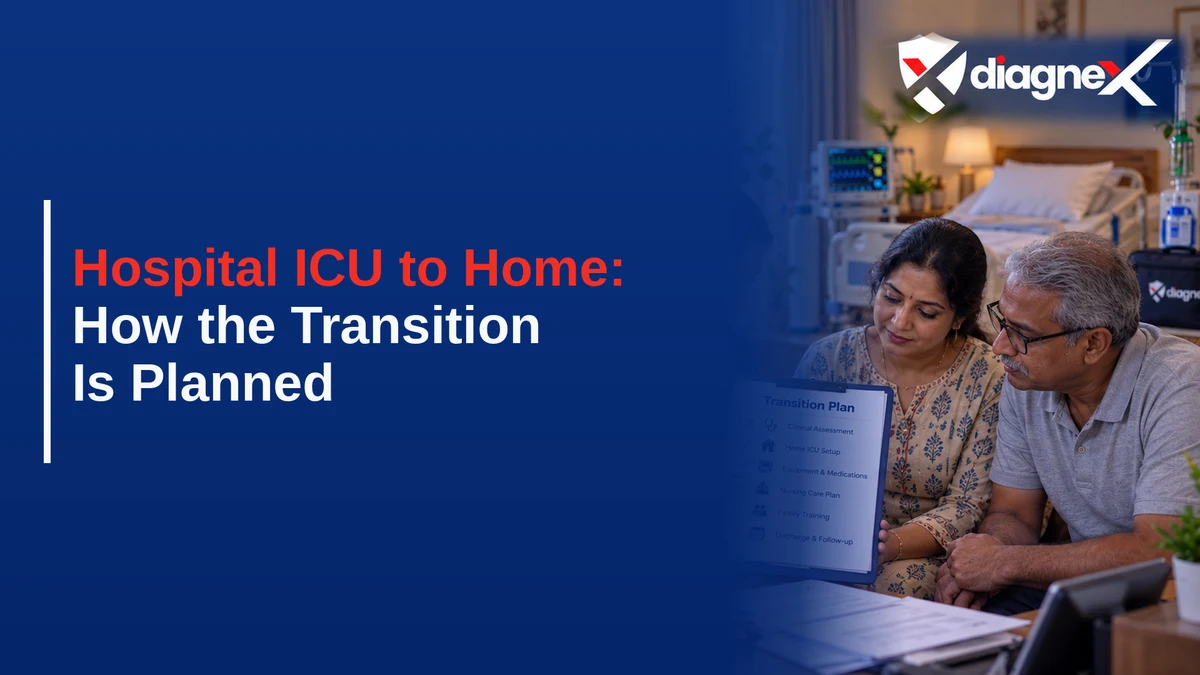
Hospital ICU to Home: How the Transition Is Planned
Moving a patient from a hospital ICU to home is not simply a discharge followed by equipment delivery. It is a coordinated transition in which the treating team, home-care team, patient and family need to agree on what…
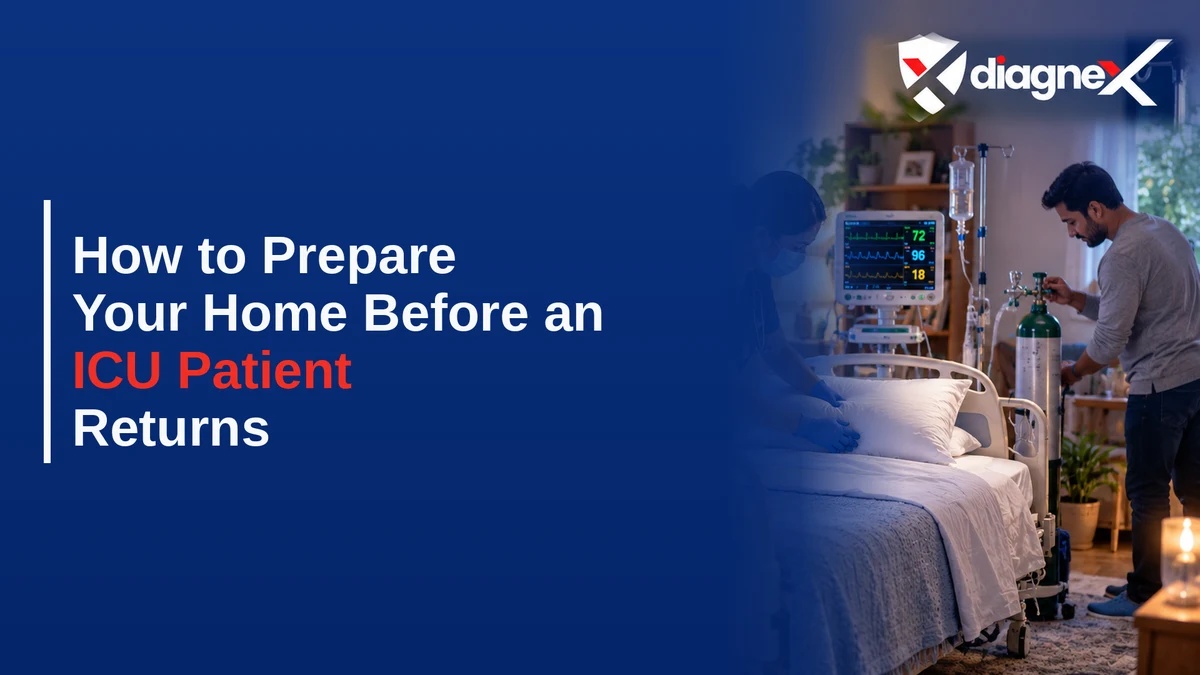
How to Prepare Your Home Before an ICU Patient Returns
Bringing an ICU patient home after hospital discharge requires more preparation than arranging a bed and a few medical devices. The home needs to be ready for the patient's current clinical needs, prescribed equipment…
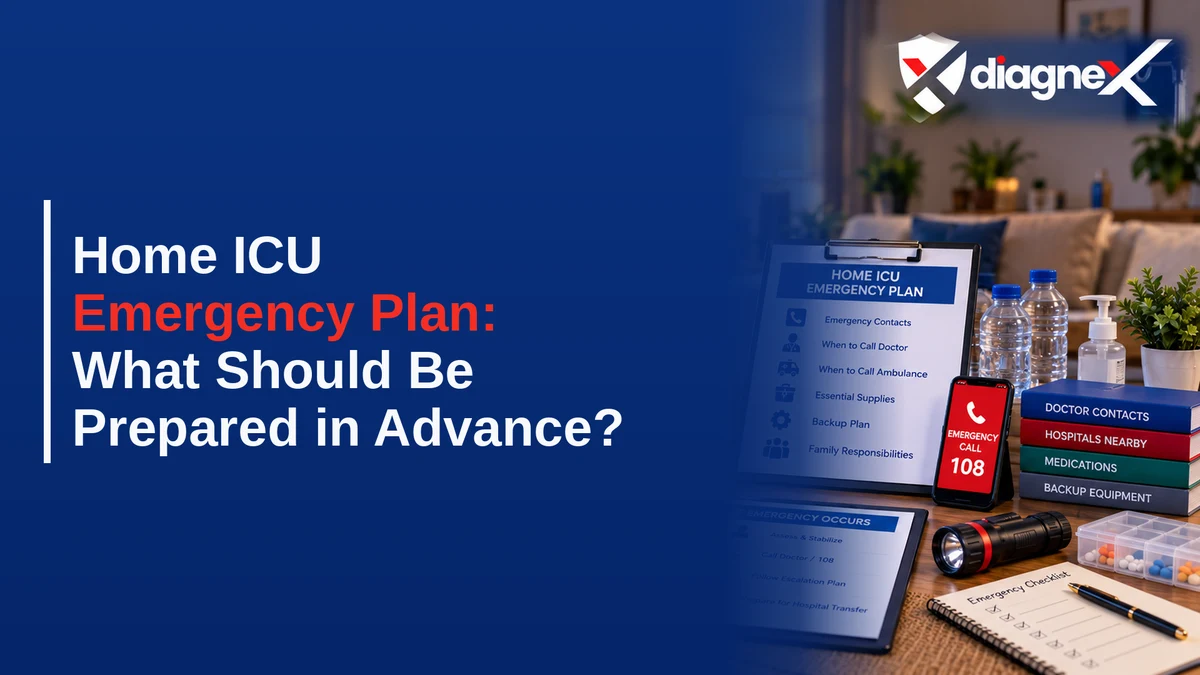
Home ICU Emergency Plan: What Should Be Prepared in Advance?
When a patient is receiving ICU-level or advanced care at home, emergencies should not be handled by deciding everything in the moment. The family, nurse and treating team should already know who to contact, what…
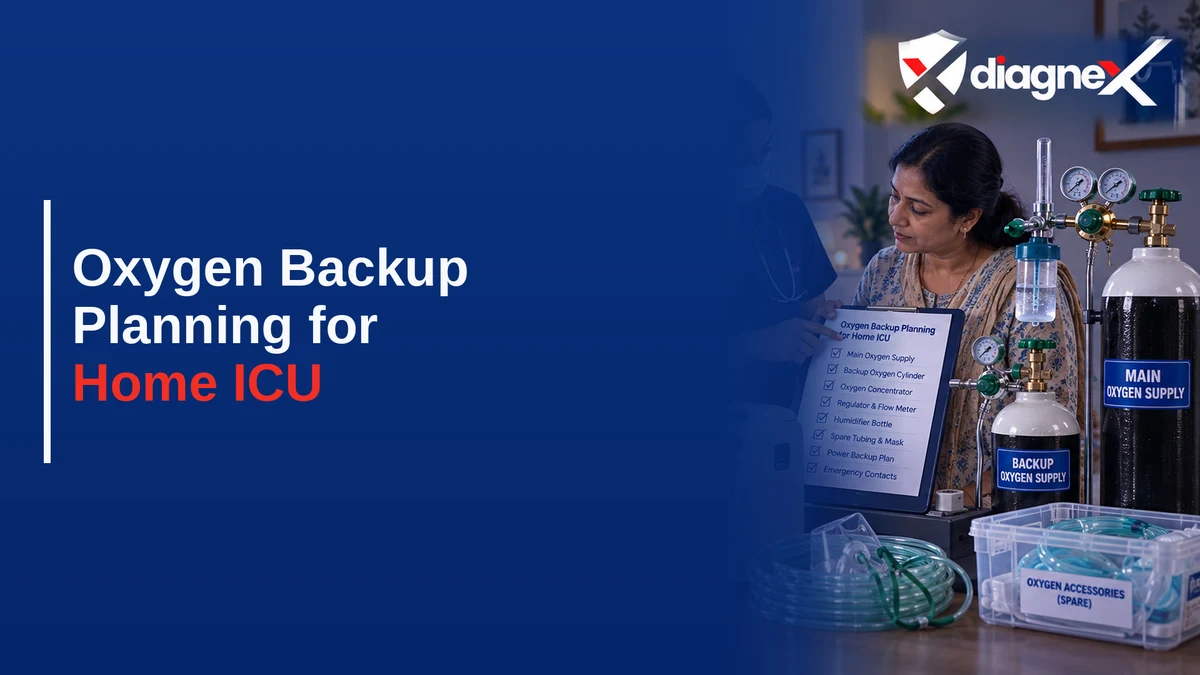
Oxygen Backup Planning for Home ICU
For a patient who has been prescribed oxygen at home, backup planning is an important part of a home ICU or advanced-care setup. An oxygen concentrator may depend on electricity, a cylinder may eventually run out, and…
